Blog
Is Professional Red Light Facial Treatment Effective?

I first tried professional red light therapy facials at my dermatologist’s office and honestly didn’t think just shining some light could really change my skin. But when my skin’s texture and tone actually got way better, I got totally hooked on learning how this gentle treatment works. Here’s the thing – professional red light facials use special light wavelengths that really get your cells regenerating, calm down inflammation, and give collagen a major boost way better than those home gadgets. Unlike other skincare fads that don’t last, these professional treatments actually deliver real results backed by science, which is why dermatologists everywhere swear by them.
Table of Content
Understanding Red Light Therapy Technology
The Science Behind Photobiomodulation
Here’s how professional red light therapy facials work: they use photobiomodulation with specific wavelengths that go deep into your skin to boost mitochondrial function.
My esthetician told me this process really amps up ATP production, which basically gives your cells extra energy to fix themselves up. Research from the Journal of Photomedicine and Laser Surgery shows regular professional red light therapy can boost collagen density by 31% in just 12 weeks. The big plus with professional red light therapy equipment is its exact wavelength calibration and strong power output – stuff home devices just can’t match.
<img src="https://red.68114.com/wp-content/uploads/2025/11/4d480639-5d77-415e-877e-6a8e2047f67c-24-scaled.webp" alt="professional red light therapy facial“>
Professional vs. Home Devicess Comparison
I’ve tried both professional red light therapy facials and home devices, and wow, the differences in results and safety are huge. Professional red light therapy beds and panels pack way more power with medical-grade LEDs that keep wavelengths super consistent. Check out this table showing the main differences that really affect how well the treatment works:
| What We’re Comparing | Professional Red Light Therapy | Home Devices |
|---|---|---|
| Power Level | 50-200 mW/cm² | 5-20 mW/cm² |
| Area Covered | Full body or face | Small spots only |
| Wavelength Precision | Medical-grade exact (±2nm) | Consumer-grade varies (±15nm) |
| Safety Standards | FDA-cleared, GRA certified | Just basic electrical safety |
Comprehensive Benefits of Professional Treatments
Skin Rejuvenation and Anti-Aging Effects
Collagen Stimulation: I got regular professional red light facials and saw my fine lines and skin elasticity improve way more than with any serum I’ve tried.
Here’s how it works – the treatment activates fibroblasts, those are the cells that make collagen and elastin. A 2019 study had people get professional treatments twice a week for 12 weeks, and their skin density went up by over 36% on average.
Red light therapy builds collagen like retinoids but doesn’t irritate your skin or damage the skin barrier, so even sensitive skin can handle it.
Anti-Inflammatory and Acne Reduction Properties
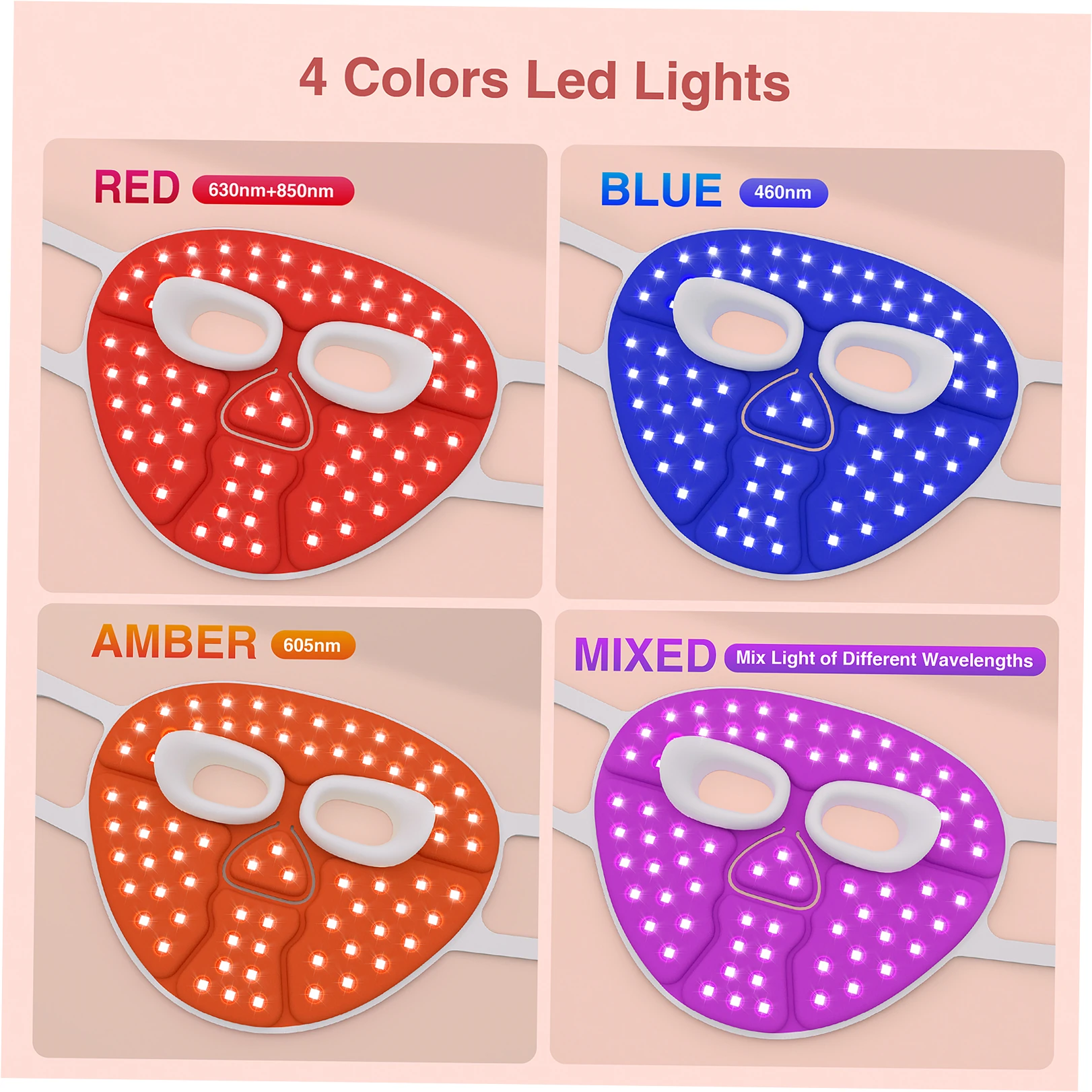
Inflammation Control: If you deal with inflammatory acne or rosacea, professional LED light therapy really helps. It fights inflammation by cutting down cytokine production and boosting blood flow where you need it.
My dermatologist told me that blue light targets acne bacteria while red light calms the inflammation, and they often use both in professional acne treatments.
In trials, patients saw their inflammatory lesions drop by 46 to 81 percent after 12 sessions, and these results lasted much longer than just using topical treatments.
The Professional Treatment Experience
Step-by-Step Session Walkthrough
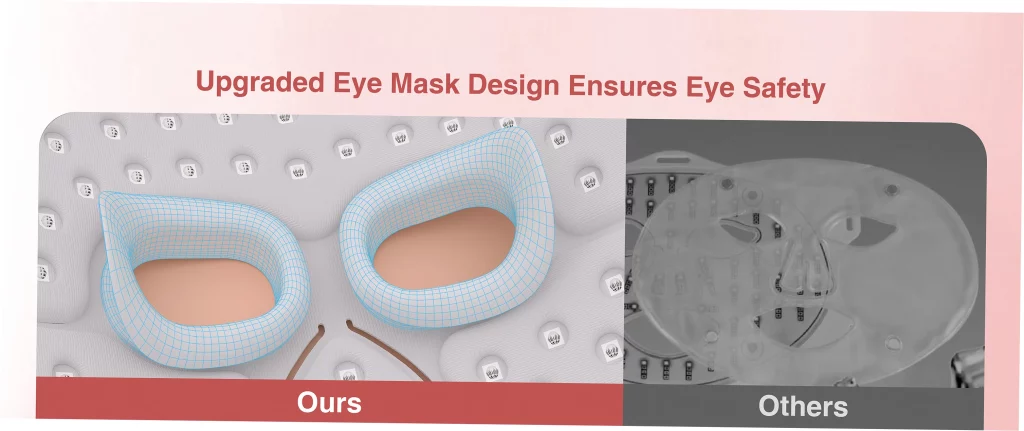
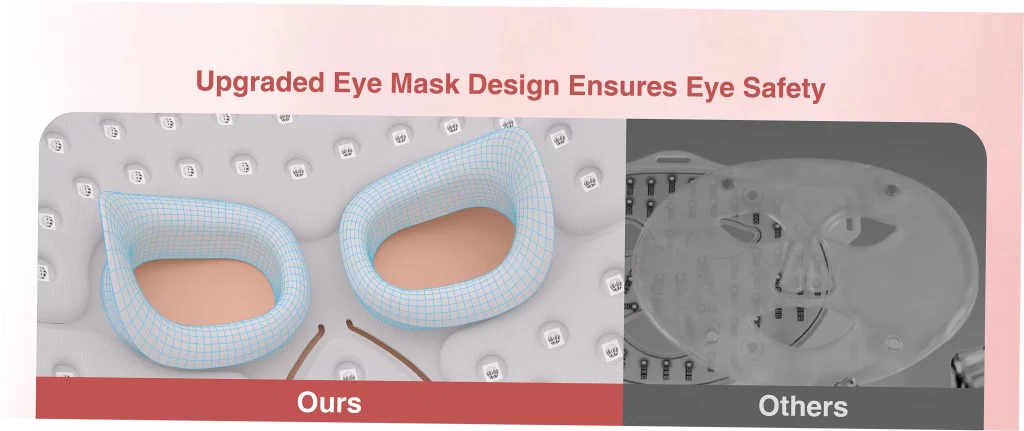
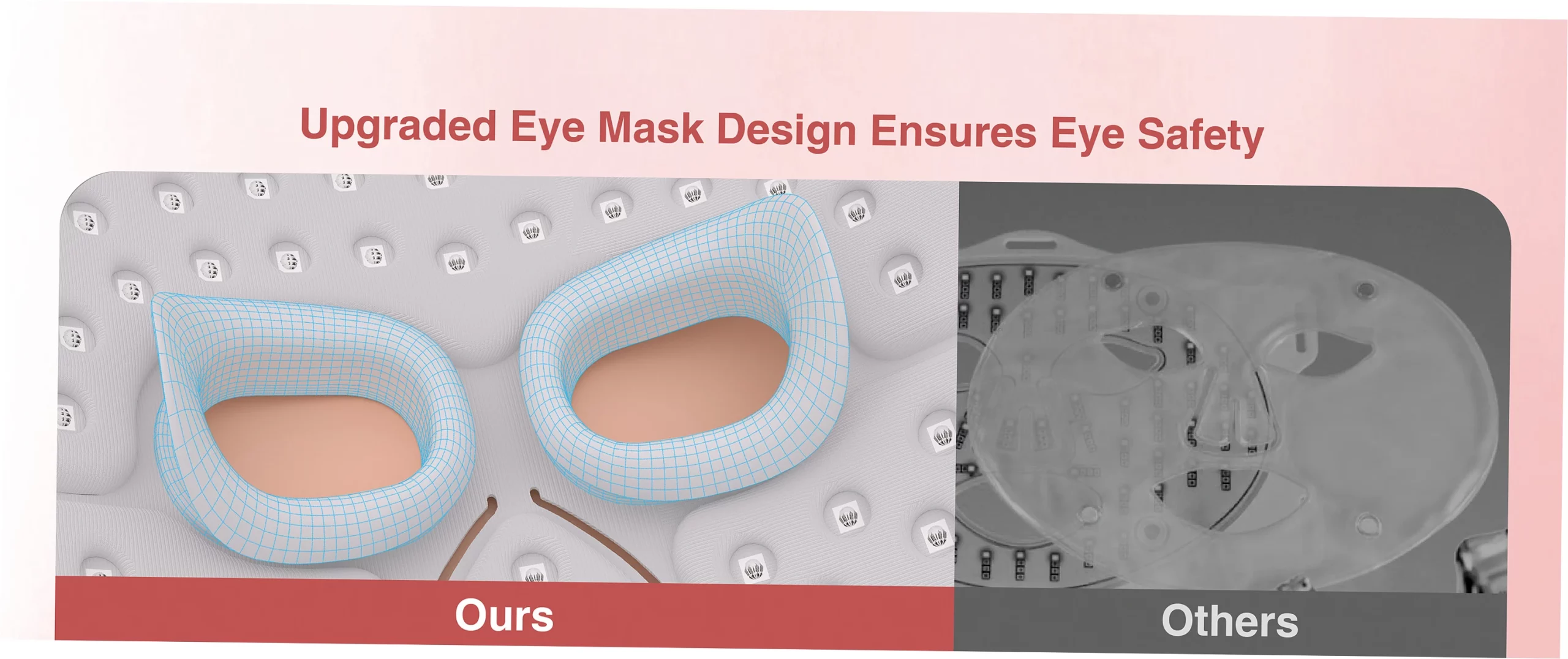
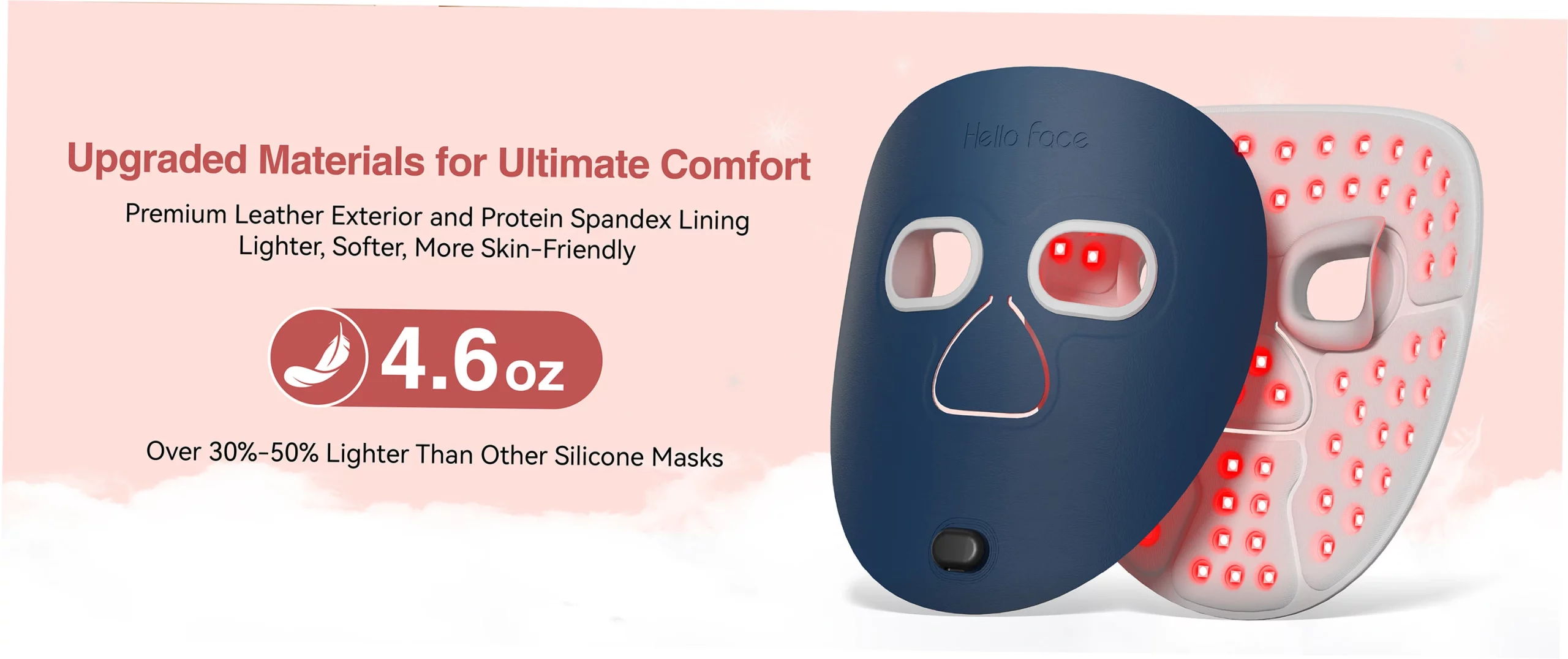
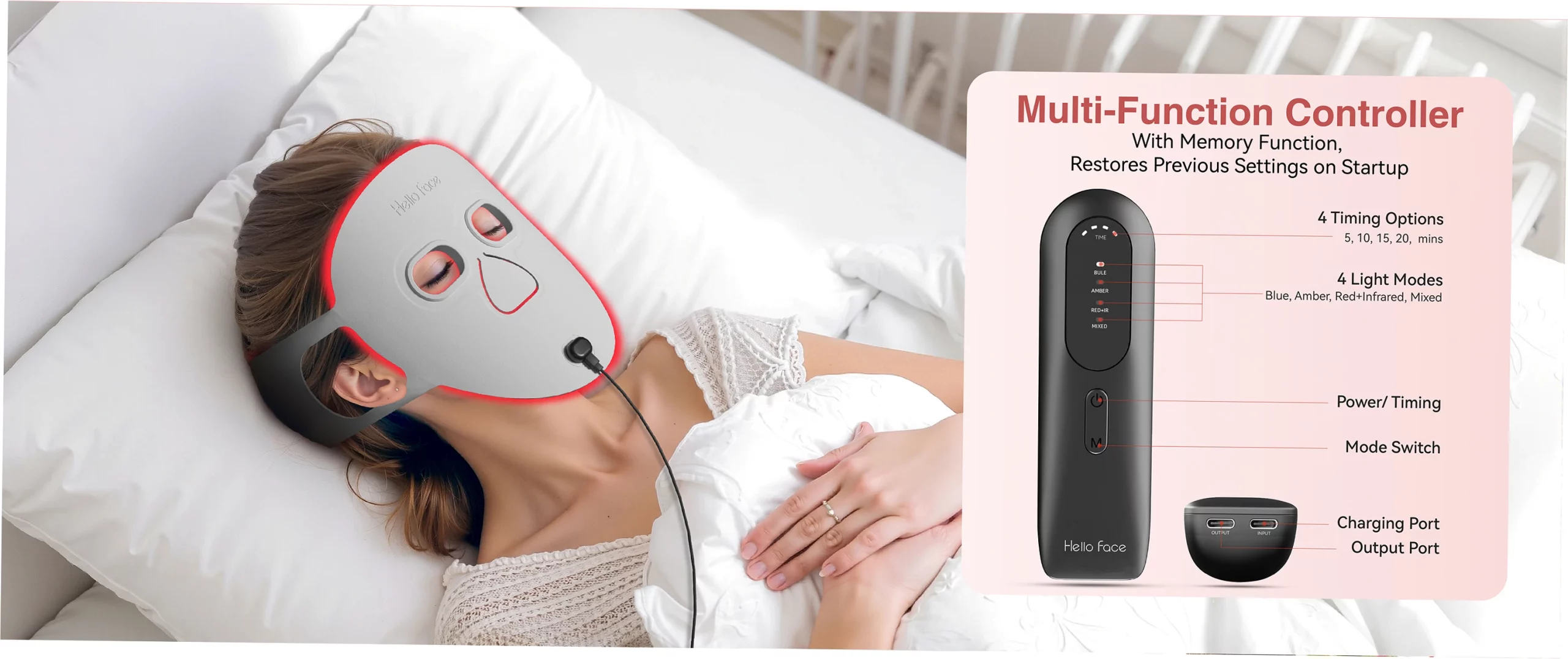
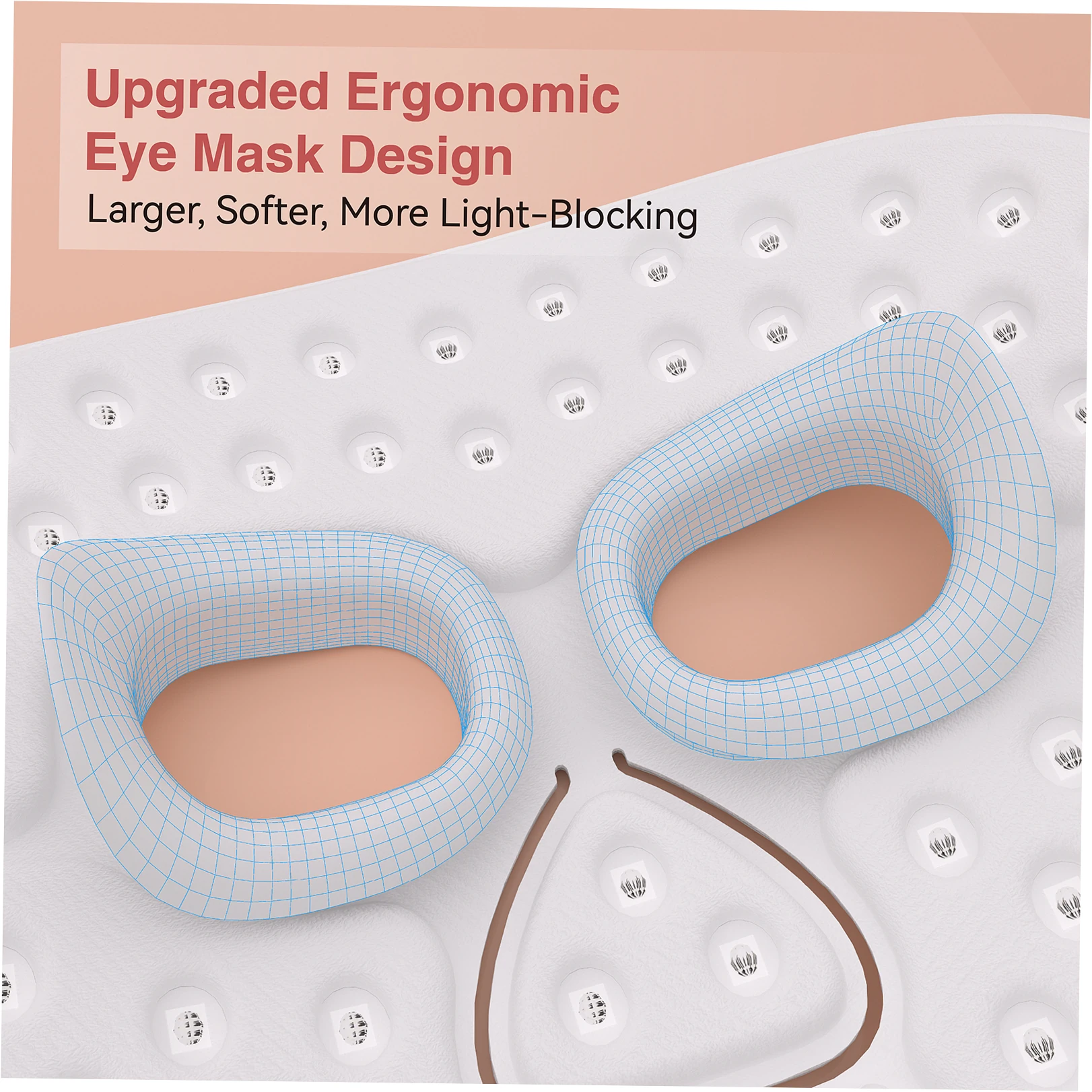
Here’s how a professional red light facial usually goes at the clinic. First, they thoroughly cleanse your skin to help the light penetrate better. Then they put protective gear over your eyes.
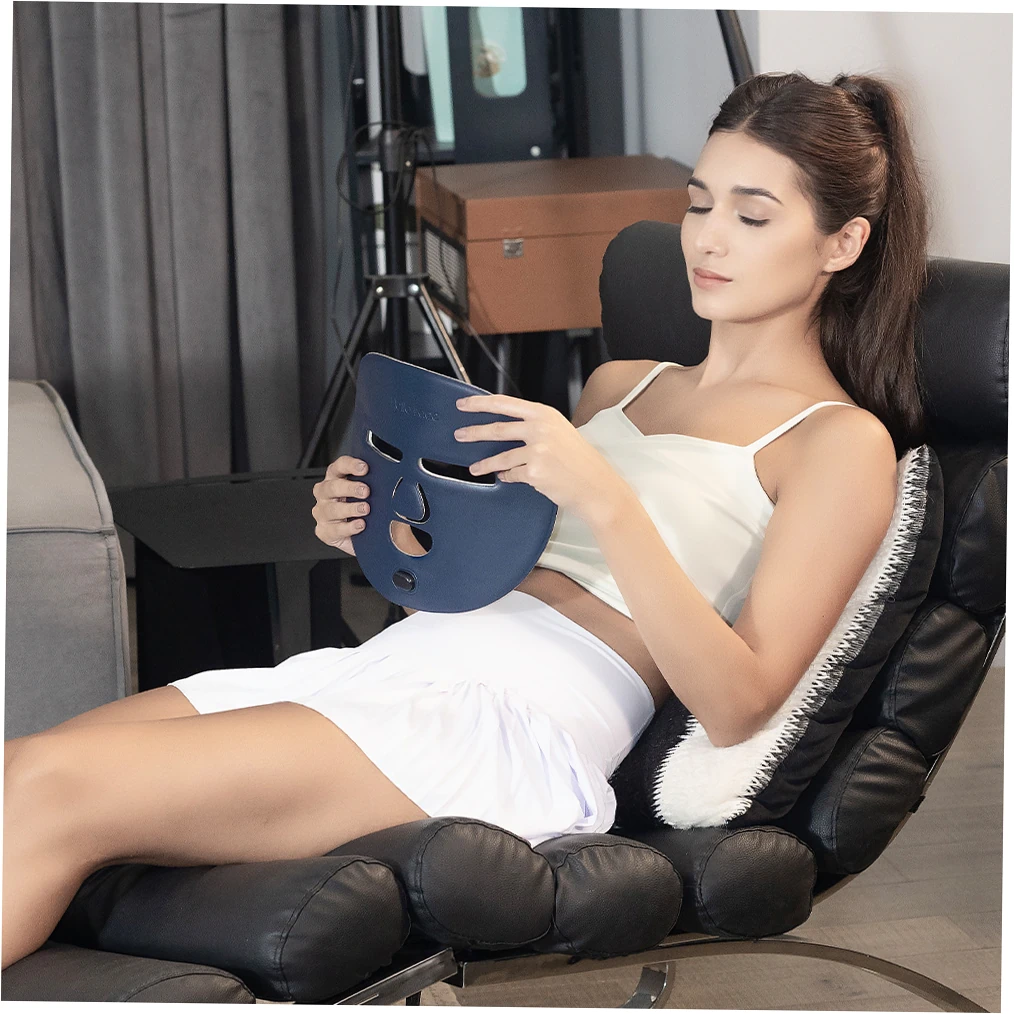
Next, the technician positions you under a medical-grade LED panel at just the right distance. Each session typically lasts 15 to 20 minutes. At my first session, I was pleasantly surprised by how warm and relaxing it felt.
There’s no pain whatsoever, and you can get right back to your day afterwards. For best results, most places suggest starting with 8 to 12 treatments, spacing them 2-3 days apart. After that, you just need monthly sessions to maintain your results.
Combination Therapy Enhancements
Many top clinics now boost results by combining red light therapy with other treatments. I’ve tried pairing LED sessions with microcurrent for muscle toning, and with fractional lasers for texture.
They really work well together. Here are some popular treatment combinations and what they’re good for:
| Combination Treatment | Primary Benefits | Ideal For |
|---|---|---|
| Red Light Microcurrent | Collagen stimulation muscle lifting | Great for preventing aging and face contouring |
| Red Light Radiofrequency | Deep heating surface rejuvenation | Perfect for tightening skin and improving texture |
| Red Light photodynamic therapy | Activates photosensitizers more effectively | Best for severe acne and precancerous spots |
Safety Protocols and Certification Standards
Medical Device Regulations and GRA Certification
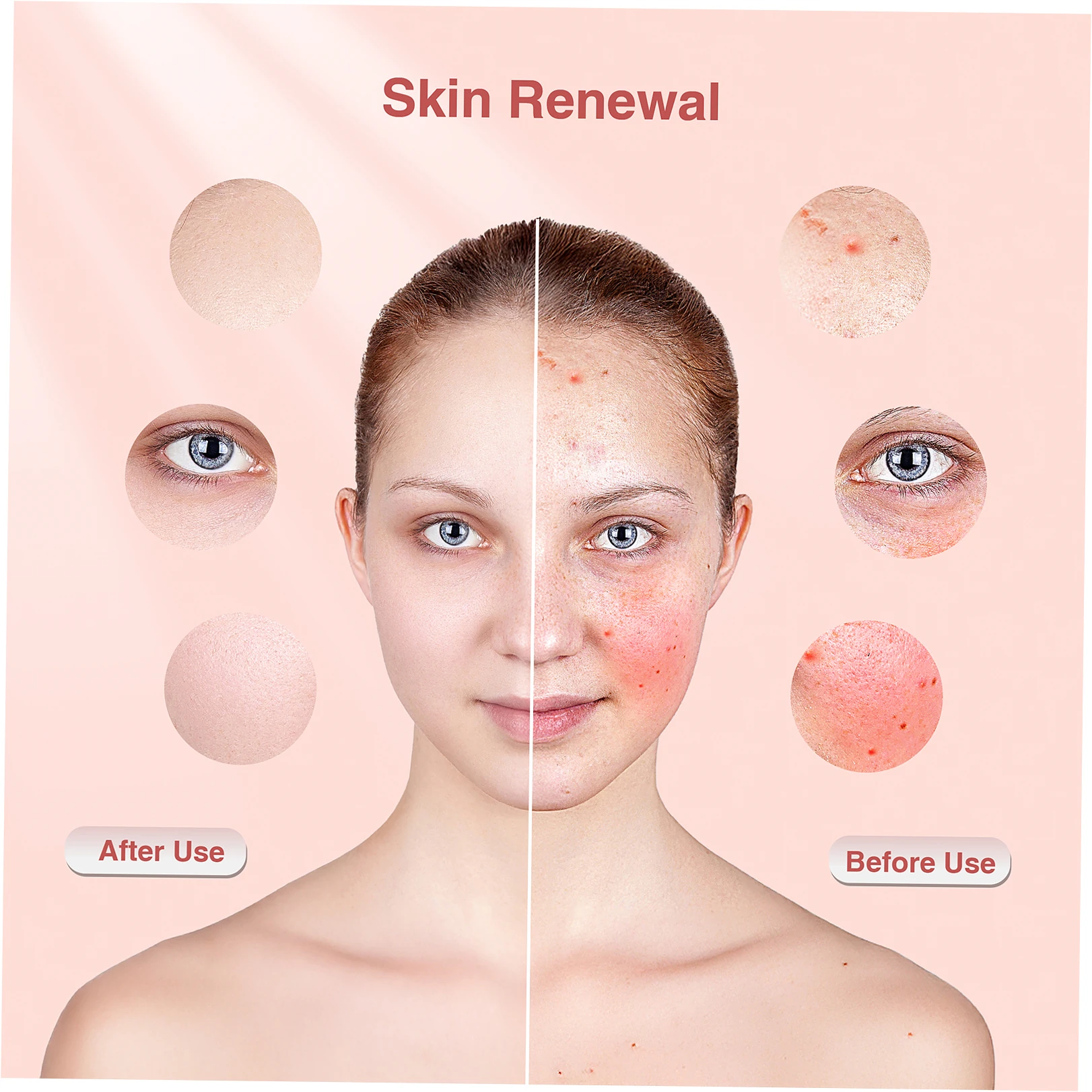
For safety, good clinics use FDA-cleared devices that have GRA certification. This means they meet international safety and performance standards. When I picked my professional red light therapy facial provider.
I checked that their equipment had medical device classifications, not just cosmetic-grade approvals. GRA certification shows the device’s manufacturing, quality control, and wavelength accuracy all hit tough international benchmarks.
This certification is important because if devices aren’t calibrated right, they might use the wrong wavelengths or too much infrared radiation, which could cause burns.
Contraindications and Risk Management
They screen patients first – while professional red light facials are mostly very safe, they’re not for everyone. My clinician went through my whole medical history, asking specifically about medications that increase light sensitivity.
any history of skin cancer, and certain autoimmune conditions. If you’re taking isotretinoin like Accutane, you usually need to wait six months after stopping before getting a professional red light therapy facial because it makes you more sensitive to light. They should also check for conditions like porphyria or lupus that make you unusually sensitive to light. You absolutely must wear proper eye protection, even if the light seems gentle.
Cost Analysis and Treatment Planning
Investment Versus Results Evaluation
Value Assessment: Getting professional red light therapy facials usually costs between $50 and $150 per session, but you can save money with package deals that lower the price for each visit.
Sure, it’s more expensive than home devices, but I’ve seen such great results that it’s totally worth it for certain skin issues. The professional machines are way more powerful than home devices – we’re talking 5 to 10 times stronger.
You’d need hundreds of home treatments just to match the energy from one professional red light therapy facial. If you want real collagen remodeling and anti-inflammatory benefits, the professional route gives you much better value in the long run.
Developing an Effective Treatment Schedule
Optimal Frequency: Most experts suggest starting with 2-3 red light therapy facials each week for the first month or two, then switching to weekly sessions for another month, before finally going to monthly maintenance visits.
When I did my intensive phase, my skin kept getting smoother and more even, but around week 10 the improvements leveled off. My technician told me this makes sense because of how collagen production works – you usually see the best results about 3-4 months after starting professional red light therapy. If you skip the maintenance sessions, you’ll slowly lose those benefits as your collagen naturally breaks down over time.
Conclusion and Next Steps
Professional red light therapy facials are seriously backed by science – they’re one of the best non-invasive beauty treatments out there.
They really help boost collagen, calm inflammation, and improve your skin’s overall health. What’s cool about these facials is they don’t just give you quick fixes that fade fast.
Instead, they work deep at the cellular level to give you lasting improvements in how your skin looks and functions. You get medical-grade tech plus expert application and proper treatment plans – that combo gives you results that those at-home gadgets just can’t match.
So, have you tried professional LED light therapy yet? Or maybe you’re thinking about adding it to your skincare routine? Drop your questions or share your experience in the comments!
Or check out our guide to find certified red light therapy providers near you – that way you know you’re getting safe, effective treatments.
Frequently Asked Questions
How many professional red light therapy sessions are needed for visible results?
After 4-6 professional red light therapy sessions, most people start seeing their skin texture and tone get better. Then after 8-12 treatments, you’ll really notice the difference – your collagen gets a boost and wrinkles start fading.
For the first month, you’ll want to do professional red light therapy 2-3 times each week to get your cells activated. After that, just once a week keeps your skin looking great. Research shows your collagen production really peaks around the 12-week mark if you stick with your treatments.
Are there any side effects from professional red light facials?
When you get professional red light facials with the right medical equipment, there are hardly any side effects. If your skin’s super sensitive to light, you might get a bit red or puffy for a few hours, but that goes away quickly.
The best part? There’s no UV light in these treatments, so you won’t get burned or damage your skin from sun exposure. Just make sure you wear the eye protection they give you during your session to keep your eyes comfortable.
Can red light therapy help with active acne breakouts?
Absolutely! Professional red light therapy works great for acne, especially when they mix in some blue light too. Here’s how it works: the blue light zaps the bacteria that cause breakouts.
and the red light calms down inflammation while helping your skin heal. Studies found that people who stuck with their treatments saw their inflammatory acne go down by 46% to 81%.
If you’re dealing with really bad cystic acne, combining red light with photodynamic therapy gives you even better results.
What certifications should I look for in a red light therapy provider?
Look for places that use FDA-cleared equipment with GRA certification – that means they meet international safety standards. Make sure the staff knows their stuff about phototherapy and checks your medical history before starting.
Good clinics will happily tell you all about their equipment, certifications, and staff training if you just ask.