Blog
Does red light therapy truly rejuvenate facial skin?

I first heard about red light therapy for your face and honestly, I was pretty skeptical – it just seemed like another skincare trend. But then I tried it and saw my skin actually improve, plus I looked into how it works scientifically. Now I’m totally convinced this gentle treatment really does deliver real benefits for your skin. Here’s the deal with red light therapy devices – they use specific light wavelengths that get deep into your skin layers. This stimulates your cells to repair themselves, giving you a completely natural way to tackle everything from acne to aging skin.
Table of Content
- Scientific Mechanisms Behind Red Light Facial Treatments
- Visible Anti-Aging Benefits and Wrinkle Reduction
- Acne Management and Inflammation Control
- Treatment Protocols and Device Selection
- Combining Red Light with Other Skincare Modalities
- Safety Profile and Contraindications
- Conclusion and Actionable Next Steps
- Frequently Asked Questions About Facial Red Light Therapy
Scientific Mechanisms Behind Red Light Facial Treatments
Cellular Response to Red Light Wavelengths
Here’s how red light therapy works its magic on your face – it starts deep in your cells where mitochondria soak up those special red light wavelengths between 630-670 nanometers.
When your cells absorb this light, they kickstart ATP production – that’s like giving your cells an energy boost. With more cellular energy, your skin cells work better and faster at repairing damage while calming down inflammation.
All this cellular activity also tells your skin to make more collagen – that’s what keeps your skin springy and helps smooth out fine lines. That’s why sticking with regular red light therapy sessions actually shows real results – your skin texture evens out and your complexion looks better.
One of the biggest perks for your skin is how red light therapy tackles inflammation – it really helps calm things down. The light dials down the stuff that causes inflammation while boosting your skin’s natural healing powers.
That’s why it’s so great for dealing with rosacea, acne breakouts, and just general facial redness. Lots of people notice their skin feels less sensitive and irritated after a few weeks of regular use – and science backs up these anti-inflammatory benefits.
Penetration Depth and Tissue Interaction
Here’s the cool part about how deep different red light wavelengths go into your skin – this really matters for getting the most out of your treatments.
The shorter red wavelengths hang out in your skin’s top layer, making them perfect for tackling surface issues like acne and dark spots. Longer wavelengths (660nm ) reach deeper into the dermis.
where they can stimulate fibroblast activity for collagen production. Because different wavelengths reach different depths, red light therapy can handle multiple skin problems at once – from surface redness to deeper support for your skin’s structure.
Visible Anti-Aging Benefits and Wrinkle Reduction
Collagen Stimulation for Firmness
One of the best things about facial red light therapy is how it boosts collagen production. Studies show that when skin cells get hit with the right red light wavelengths, they can make up to 31% more collagen.
This extra collagen plumps your skin from the inside, which smooths out fine lines and makes your skin firmer. Unlike creams that just sit on the surface, red light therapy actually changes your skin’s deeper layers, giving you lasting improvements in elasticity and strength.
People who use at-home red light therapy regularly usually see fewer crow’s feet and forehead lines after about 2-3 months. The therapy works by boosting collagen and helping your cells repair themselves.
which smooths existing wrinkles and stops new ones from popping up. Lots of skin doctors now suggest red light therapy alongside other treatments because it’s gentle enough for daily use and helps maintain results between office visits.
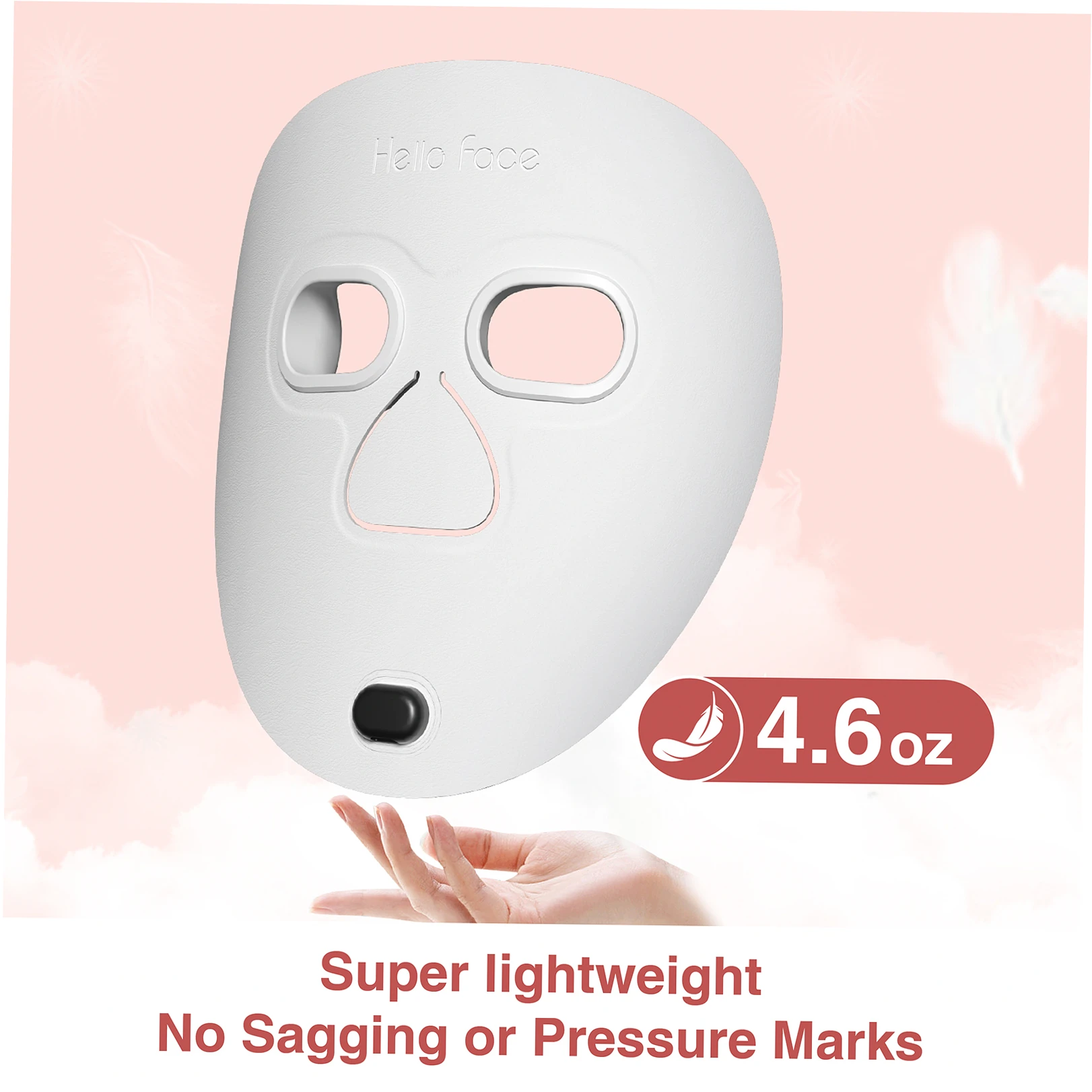
Elasticity and Texture Improvements
Red light therapy also tightens your skin by helping produce more elastin and organizing it better. The light energy rearranges your existing elastin fibers and helps create new ones, giving you naturally tighter, more lifted-looking skin.
You’ll especially notice this improved elasticity in areas that tend to sag, like your jawline and cheeks. After a few months of regular use, people often say their skin feels bouncier and stronger.
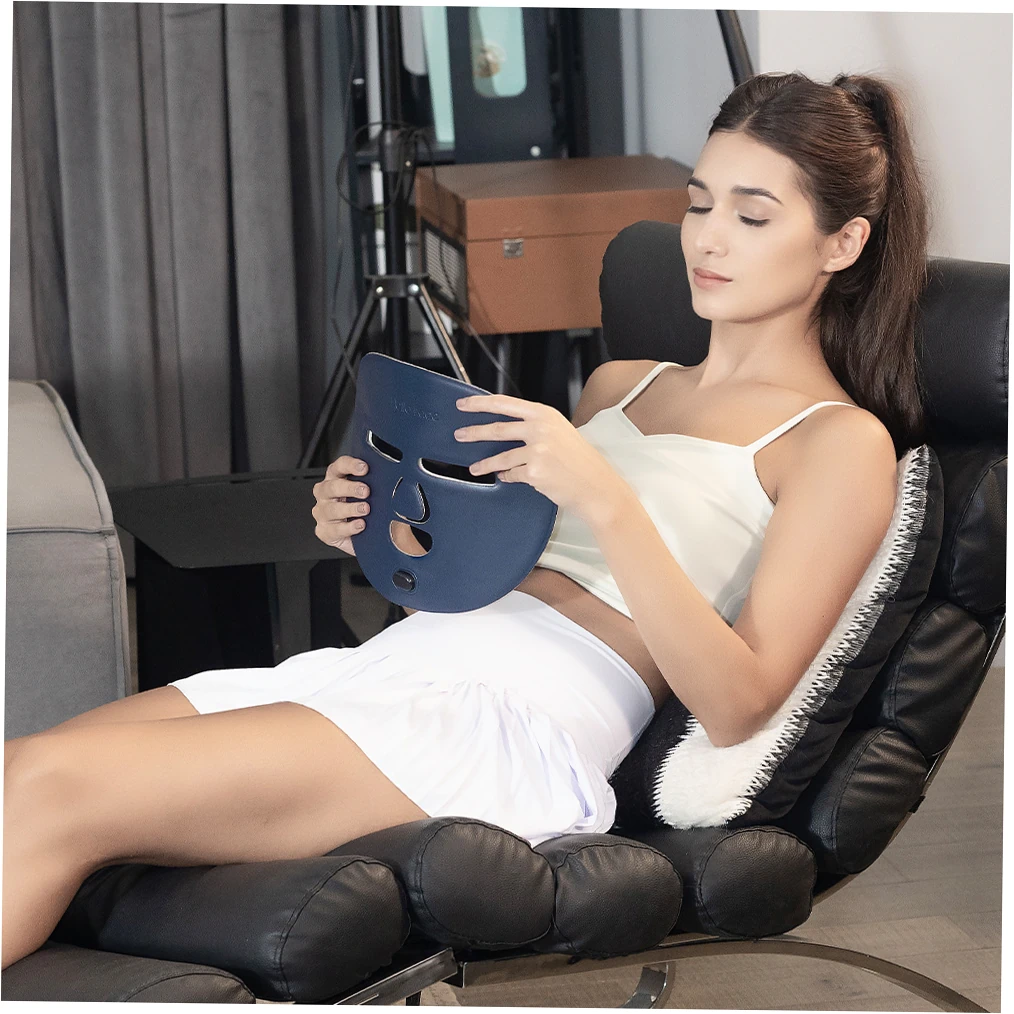
Acne Management and Inflammation Control
Bacterial Reduction and Healing
Red light therapy really helps acne-prone skin. It targets the bacteria that cause acne and reduces inflammation at the same time. The light goes after the acne bacteria directly.
It creates free radicals that wipe out these germs but doesn’t hurt your healthy skin. You get both antibacterial and anti-inflammatory benefits. That’s why red light works so well for mild to moderate acne, and it has way fewer side effects than other treatments.
Red light also helps control oil production. Lots of people notice they get fewer breakouts after using it regularly. Scientists are still figuring out exactly how it works.
but they think the anti-inflammatory effects help your oil glands function better. This is especially great if you have combination skin. You know, when some areas are dry while others get oily.
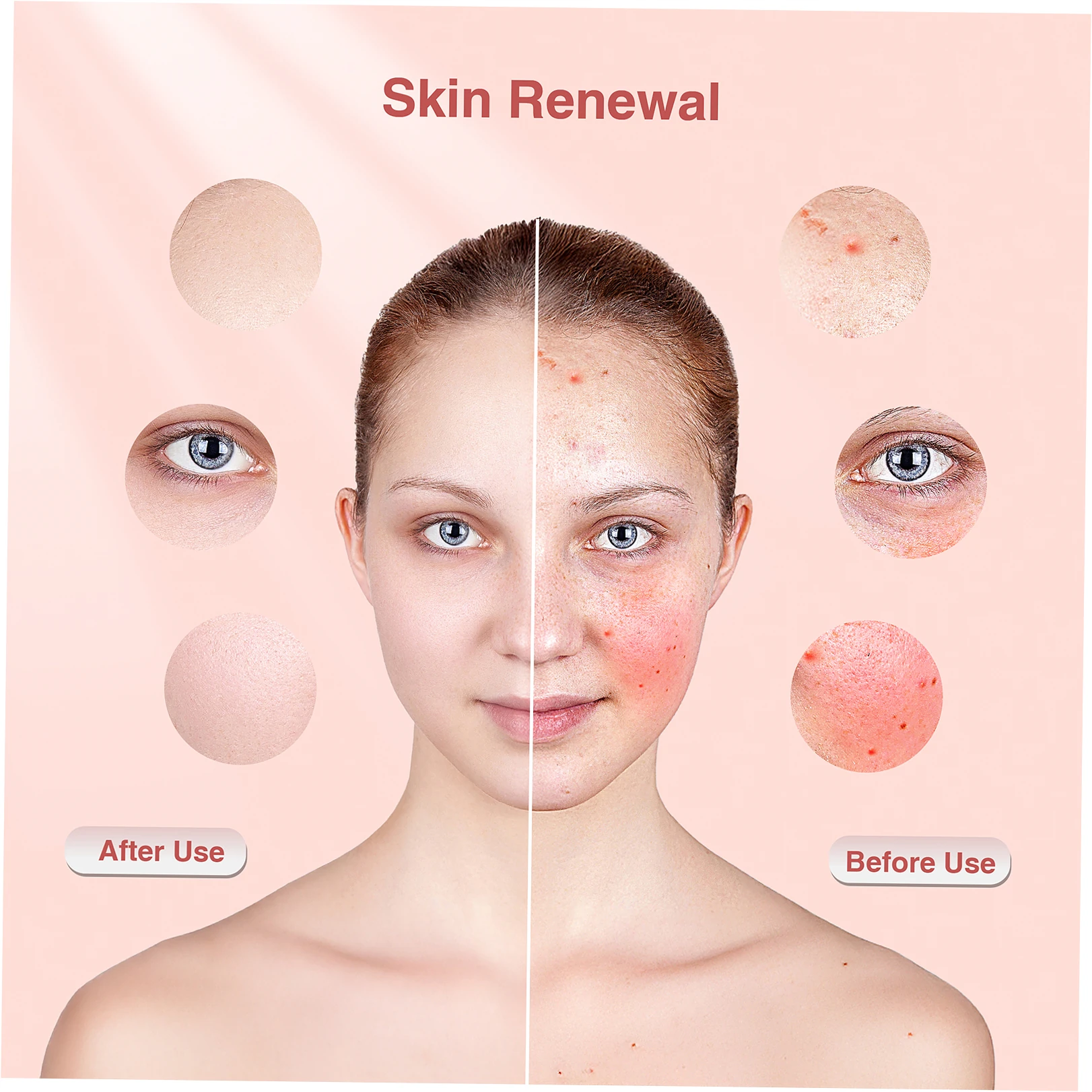
Post-Inflammatory Hyperpigmentation Fading
Here’s one of the best parts for acne sufferers – red light therapy helps fade those red marks and dark spots left after breakouts. It speeds up your skin’s natural healing process.
Your skin replaces discolored cells faster and calms down the inflammation that keeps skin looking red. After a few weeks of regular use, you’ll notice your skin tone becomes more even. Those old breakout marks become much less noticeable.
| Skin Concern | Initial Noticeable Improvement | Significant Results | Maintenance Phase |
|---|---|---|---|
| Fine Lines Wrinkles | 4-6 weeks | 8-12 weeks | 2-3 sessions weekly |
| Acne Inflammation | 1-2 weeks | 3-4 weeks | 3-5 sessions weekly |
| Skin Tone Evenness | 3-4 weeks | 6-8 weeks | 2-3 sessions weekly |
| Overall Radiance | 2-3 weeks | 4-6 weeks | 2 sessions weekly |
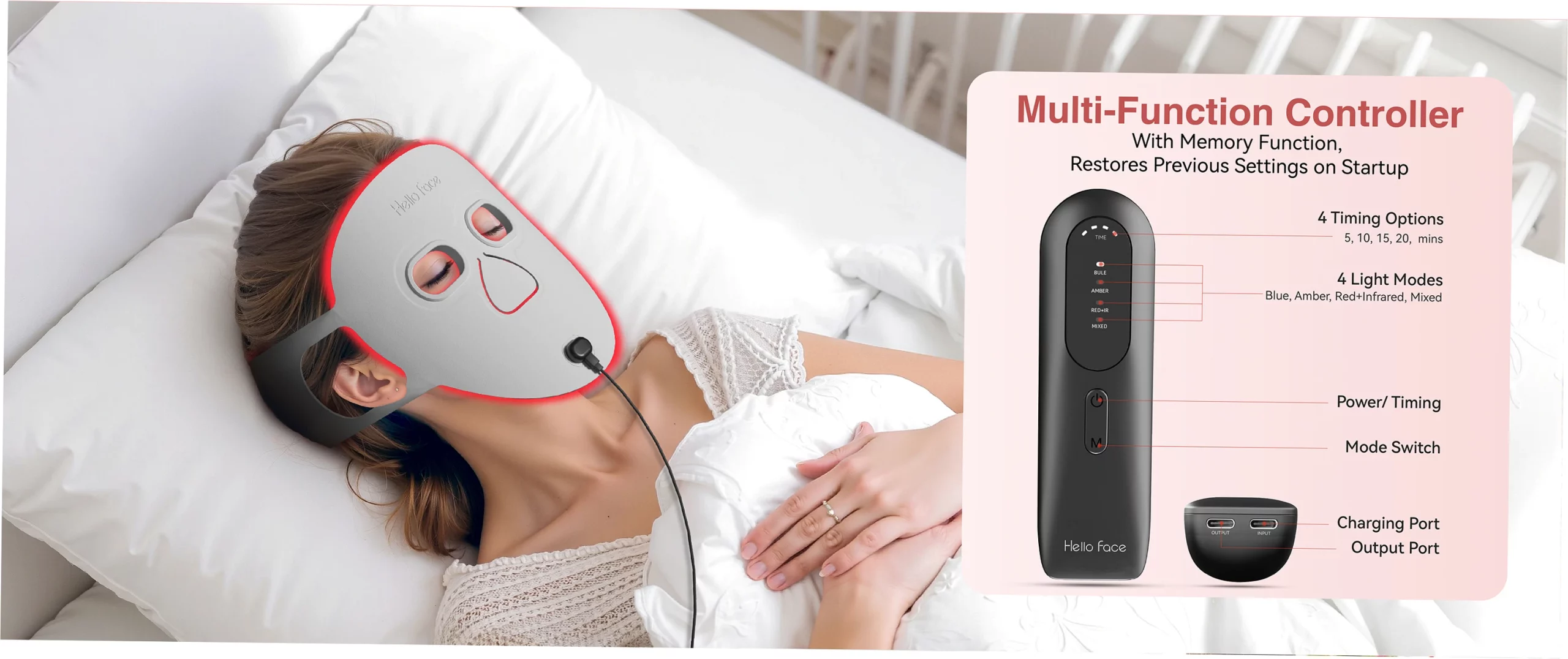
Treatment Protocols and Device Selection
Optimal Usage Frequency and Duration
When it comes to red light therapy for your face, being consistent works better than going all out. Research and real users show that short, regular sessions give you better facial rejuvenation benefits than doing long treatments once in a while.
Most skin doctors suggest starting with 10 to 15 minute sessions, doing them 3 to 5 times each week for the first couple of months. After that, you can switch to just 2 or 3 sessions per week to maintain those facial benefits.
Sticking with this routine helps your skin cells get into a rhythm. The benefits keep adding up, and you’ll notice your facial skin looking better and better as time goes on.
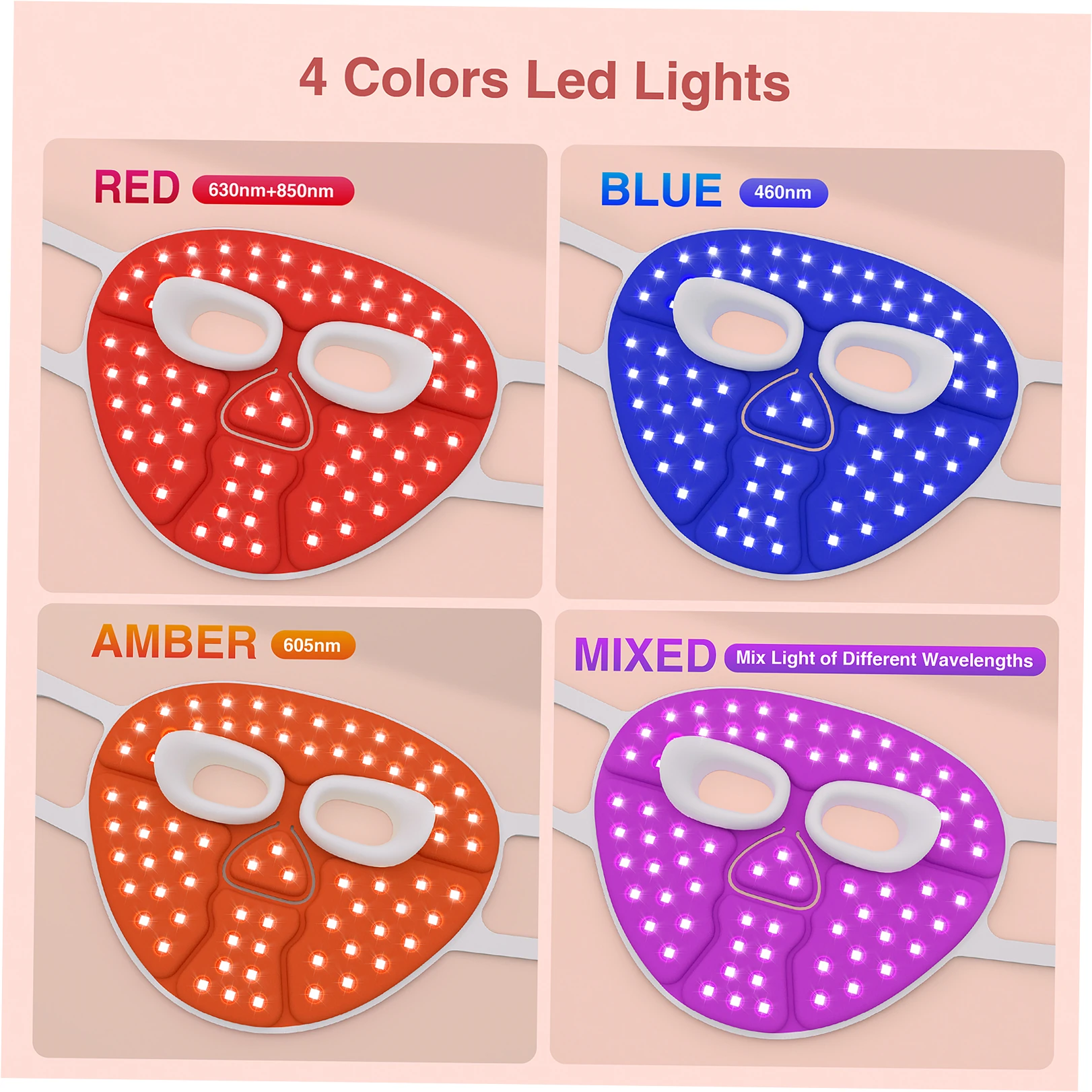
Where you put the device really matters if you want to get the most out of red light therapy for your face. Keep the device about 6 to 12 inches away from your clean skin, and don’t forget to wear protective goggles for your eyes.
Make sure you cover your whole face evenly, paying extra attention to spots that bother you most – like your forehead, cheeks, and jawline. Lots of people find it easier to stick with red light therapy when they make it part of their nightly skincare routine. This way, your skin can do its repair work overnight, which really boosts the facial rejuvenation results.
Choosing Between Professional and At-Home Devices
Picking the right device is key when you’re using red light therapy to improve your facial skin. You’ll want to understand how professional treatments differ from at-home options.
Professional treatments use stronger devices that might show results quicker, but good home units are more convenient and save you money over time. When choosing, look for the right wavelength – between 630 and 670nm works best for skin benefits.
Also check the power density, how much area it covers, and that it has proper safety certifications.
| Type of Device | Power Level | Session Length | What It Costs | Best Choice For |
|---|---|---|---|---|
| Professional Grade | High (100 mW/cm²) | Just 5-10 minutes | $75-150 each session | Quick results or serious skin issues |
| Good Quality Home Device | Medium power (50-100mW/cm²) | 10-15 minutes | $200-600 one time cost | Keeping up results long-term, mild to moderate issues |
| Budget Home Device | Lower power (under 50mW/cm²) | 15-20 minutes | $100-300 one time | Basic upkeep and prevention |
Combining Red Light with Other Skincare Modalities
Synergistic Skincare Ingredients
Dermatologists often suggest combining certain skincare products with red light therapy to get the most facial benefits. If you apply Vitamin C serum before your session, it can boost the therapy’s effects.
Then using peptides and growth factors afterward helps your skin produce more collagen. Hyaluronic acid keeps your skin hydrated during treatment, which lets the light penetrate better and makes your cells respond more effectively.
But experts warn you shouldn’t use retinoids right before your red light sessions since they can make your skin more sensitive to light.
Treatment sequencing: The order you apply your skincare products really affects how well red light therapy works. For best results, put on water-based serums first.
then do your red light therapy with clean skin that doesn’t have any other products on it. Once you finish your session, you can apply the rest of your skincare like moisturizers and protective creams.
This approach lets the most light get through while helping your skin recover with good ingredients afterward.
Integrating with Professional Treatments
Pre and post-procedure benefits: Red light therapy works really well when you combine it with professional skin treatments. If you use it before treatments like microneedling or laser resurfacing, it gets your skin ready to heal faster.
After more intense treatments, red light helps you recover quicker with less downtime and swelling. Lots of skin clinics now use red light both before and after treatments because it makes the results better and keeps patients more comfortable.
Safety Profile and Contraindications
Recognizing Appropriate Candidates
So who’s the perfect fit for red light therapy? Honestly, it helps most skin types, but some people see especially great results. If you’ve got mild to moderate sun damage, inflammatory acne, rosacea, or just dull-looking skin.
you’ll probably notice big improvements. People with sensitive skin really like how gentle red light therapy is, way kinder than harsher treatments. But if you have photosensitivity issues, some autoimmune conditions, or take meds that make you light-sensitive, check with your dermatologist first.
Let’s talk about what to really expect – keeping it real is key to being happy with your red light therapy outcome. Many people notice better skin texture and less redness within weeks, but for real collagen building and wrinkle improvement.
stick with it for 2-3 months regularly. Remember, red light therapy works slowly and builds up over time – it’s not an instant fix, but that understanding helps you stay consistent.
Potential Limitations and Side Effects
About temporary reactions – red light therapy is super safe overall, but some folks might notice minor issues when starting facial treatments. A little redness or warmth usually goes away in hours.
and you might get some dryness as your skin cells renew faster. These minor reactions tend to fade as your skin gets used to the treatment. Serious problems are really uncommon with good devices used correctly, making red light therapy one of the safest beauty treatments around.
Now about who should be careful – even though red light therapy has lots of facial benefits, some situations need extra caution or doctor supervision. If you have active skin cancer, pre-cancerous spots.
or cold sores, skip treating those specific areas. People with thyroid issues should cover their neck when doing facial treatments. Pregnant women are usually told to wait until after delivery, just to be safe, even though there’s little proof it’s harmful.
Conclusion and Actionable Next Steps
More and more evidence shows red light therapy really works for facial rejuvenation.
Clinical studies and real user experiences both prove it helps boost collagen, reduce inflammation, and improve your overall skin health. Unlike other skincare trends that fade away, red light therapy is different.
It’s backed by solid science and gives you actual, measurable results, making it a great addition to your skincare routine. Whether you’re dealing with acne, wrinkles, or just want better skin overall.
this treatment delivers real benefits. It’s non-invasive and safe when used properly, with very little risk involved.
Want to see these skin-transforming benefits for yourself? Tell me about your skincare struggles in the comments, and I’ll help you figure out if red light therapy could be your answer.
If you’re ready to get started, grab our complete guide. It’ll help you pick the perfect red light device that fits both your skin needs and your budget.
Frequently Asked Questions About Facial Red Light Therapy
How soon will I see results from red light therapy on my face?
If you stick with regular treatments, you’ll probably see your skin texture improve and redness go down within the first month. But for the really good stuff like collagen building and wrinkle smoothing.
that takes longer – usually 2 to 3 months of steady use. How fast you see changes depends on your skin type, how good your device is, and how consistent you are. Keep using it and you’ll keep seeing benefits for several months.
Can red light therapy replace my current anti-aging skincare?
Red light therapy works alongside your regular skincare, not instead of it. It does things creams can’t by working deep in your skin cells, but you’ll get the best results when you pair it with good cleansers.
moisturizers, antioxidants, and sunscreen. Basically, red light gives your current routine a boost, especially for fighting those age-related changes in your skin’s structure.
Are there any skin types that shouldn’t use red light therapy?
Most people can use red light therapy safely, but if you have skin that’s super sensitive to light, active skin cancer, or some autoimmune issues, you should skip it or check with your dermatologist first.
If you have darker skin, the higher melanin might absorb some of the light, so it could be a bit less effective. But lots of people with dark skin still get great results by adjusting how they use it.
What’s the difference between red and blue light for facial skin?
Red light and blue light work differently on your skin and target different problems. Red light boosts collagen, calms inflammation, and helps skin heal – perfect for anti-aging and keeping your skin healthy overall.
Blue light goes after acne bacteria but won’t give you those anti-aging perks that red light does. That’s why lots of newer devices include both types of light so you can tackle several skin issues at once.