Blog
Can red light therapy reverse facial aging?

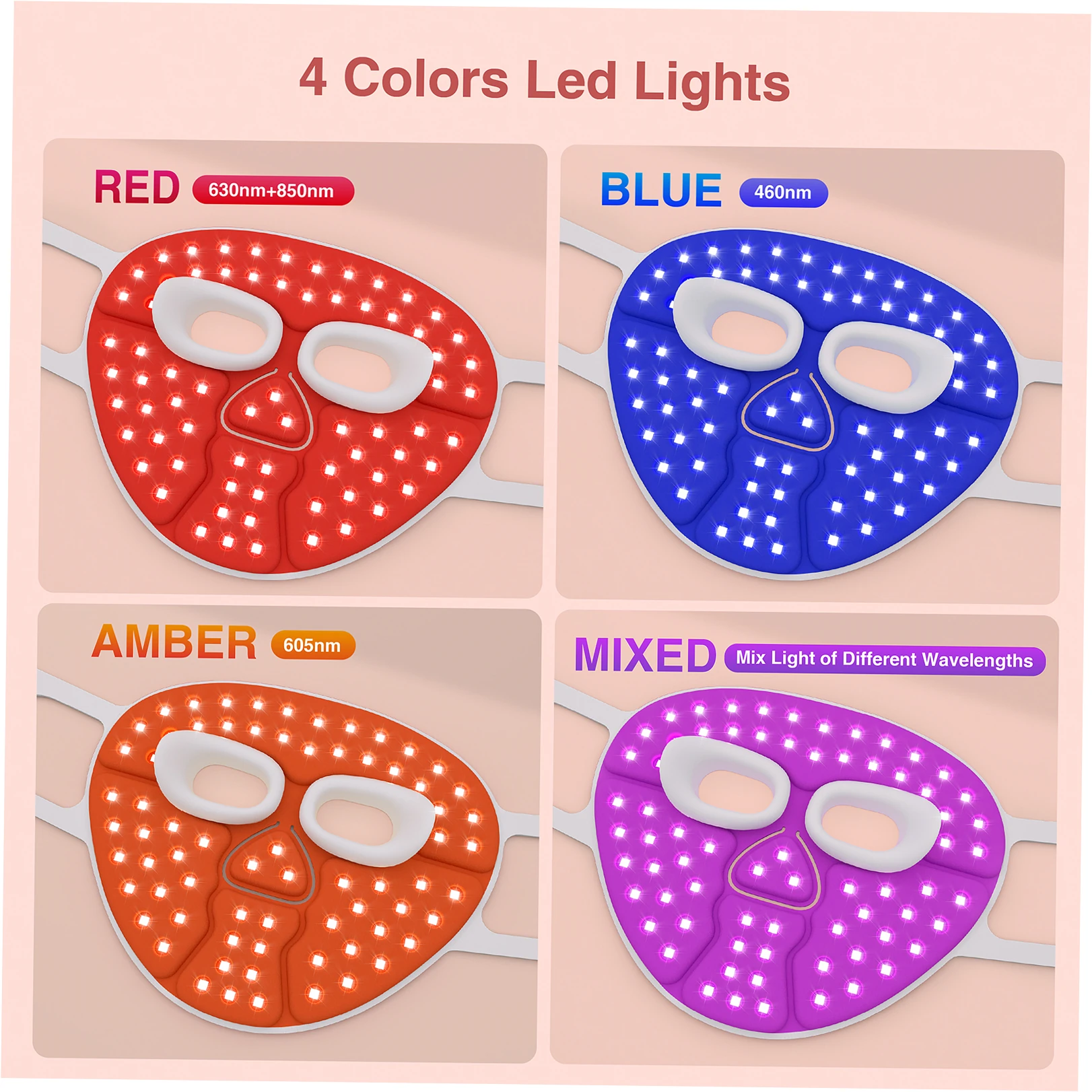
Red light therapy for face aging is a big step forward in non-invasive cosmetic care. It uses specific light wavelengths to kickstart your skin’s cellular repair and boost collagen production. This photobiomodulation tech has gotten solid clinical backing for tackling common aging signs. We’re talking about wrinkles, fine lines, and sagging skin. Unlike harsher treatments, this gentle method works right at the cellular level to naturally rejuvenate your skin. That’s why it’s becoming so popular for people who want effective but gentle anti-aging solutions. With more and more scientific evidence backing its effectiveness, red light therapy has become a mainstream choice. You’ll now find it in dermatology offices and home skincare routines everywhere.
Table of Content
- Understanding Red Light Therapy Mechanisms
- Addressing Specific Aging Concerns
- Practical Application Guidelines
- Safety Profile and Contraindications
- User Experiences and Clinical Observations
- Conclusion
- Ready to rejuvenate your skin naturally? Share your red light therapy experience in the comments below or explore our detailed guide to selecting the right device for your anti-aging needs!
- FAQ About red light therapy for face aging
Understanding Red Light Therapy Mechanisms
Scientific Foundation of Photobiomodulation
Here’s how red light therapy for face aging works: it uses photobiomodulation with specific wavelengths from 630-670 nanometers that go deep into your skin to wake up your mitochondria.
This boost gives your cells more energy, helps them repair faster, and cuts down on oxidative stress that ages your face. Studies show these exact wavelengths are perfect for activating your cellular mitochondria.
which then kicks off a chain reaction of good stuff – more collagen production and less inflammation for your face. To get the best anti-aging results without hurting your skin, you need the right wavelengths and enough treatment time.
Your skin cells like fibroblasts and keratinocytes really respond to red light therapy by making more collagen and elastin. Research found that sticking with red light therapy for face aging for 12 weeks can increase your collagen density by as much as 31%. This extra protein production directly tackles major aging problems like wrinkles and thinning skin on your face. Plus, red light therapy calms inflammation and helps build new blood vessels, making your skin healthier and more resilient against aging. Over time, you’ll see real improvements in your skin’s texture, firmness, and youthful look thanks to these natural processes.
Clinical Evidence and Research Validation
The research is solid – multiple clinical trials have proven red light therapy really works for facial rejuvenation. One major study showed people using red light devices got much better skin tone, smoother texture, and denser collagen.
They used thorough testing methods and real patient feedback to confirm these anti-aging benefits are legit. Lots of follow-up studies keep showing that when you use red light therapy for face aging correctly, you get measurable improvements across different aging signs.
Long-term studies over 6-12 months show the benefits keep coming when you stick with your red light therapy routine. People who kept up with their sessions saw their skin keep getting more elastic and their collagen kept improving over time. Here’s what the latest clinical studies found about red light therapy for face aging:
| Study Duration | Participants | Collagen Increase | Wrinkle Reduction | Skin Elasticity Improvement |
|---|---|---|---|---|
| 8 weeks | 45 | 18% | 24% | 19% |
| 12 weeks | 62 | 31% | 36% | 28% |
| 6 months | 38 | 42% | 47% | 39% |
Addressing Specific Aging Concerns
Wrinkle Reduction and Fine Line Improvement
Red light therapy really targets both dynamic and static wrinkles, and it works by promoting collagen remodeling deep in your skin. More collagen helps fill in those wrinkle lines, and your elastin fibers get better at making your skin bounce back.
It works especially well on crow’s feet around your eyes and those fine lines around your mouth where wrinkles usually start showing up first. Sticking with regular treatments is key – most people start seeing smoother skin after 4 to 6 weeks of consistent use. Since it doesn’t use heat, red light therapy is gentle enough for even the most delicate parts of your face where stronger treatments might irritate your skin.
Comparative advantage: Unlike injectables that just fix wrinkles you already have, red light therapy actually helps prevent new ones from forming by keeping your skin healthy and resilient.
People notice their skin gets better over time – it stays more hydrated and your skin barrier strengthens, which means you’re less likely to develop new wrinkles.
Instead of just covering up aging signs, it tackles the root causes, giving you anti-aging benefits that actually last. This makes it perfect if you want natural-looking younger skin without going through any drastic procedures.
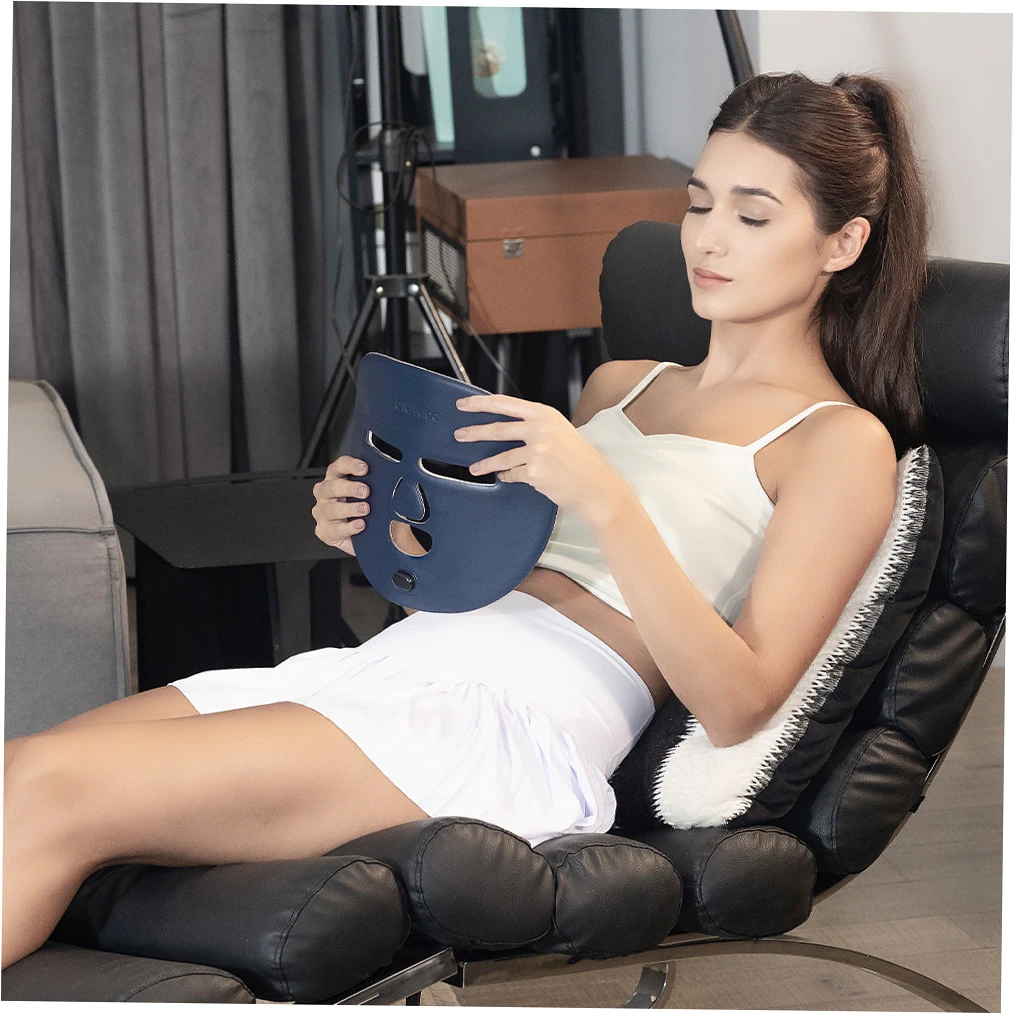
Skin Texture and Tone Enhancement
Texture improvement: Using red light regularly makes your skin much smoother and your pores look smaller because it speeds up your skin cell renewal. It gets your skin cells working better, helping you shed dead skin faster so fresher.
smoother skin can come through. People often say their makeup goes on much better and their skin just looks more refined overall. The anti-inflammatory benefits also calm down irritated skin and cut back on redness, giving you more even-looking skin texture.
Pigmentation benefits: Even though it’s not mainly for pigmentation, red light therapy still helps even out your skin tone by reducing inflammation and keeping your skin cells healthy.
Lots of users find their age spots fade and their skin tone becomes more even with continued use. It works great with other skincare products too, helping your complexion look clearer without making your skin sensitive to sunlight like some brightening treatments do. That makes red light therapy ideal for keeping your skin radiant and even-toned over the long run.
Practical Application Guidelines
Treatment Protocols and Frequency
For the best red light therapy results, you need to stick to a regular schedule that’s backed by research. Most studies suggest using red light therapy 3-5 times each week, spending about 10-20 minutes on each area you’re treating.
The first 8-12 weeks are your building phase – that’s when your cells are really making changes. After that, you can cut back to just 2-3 sessions per week for maintenance. Being consistent matters way more than how long each session lasts.
Regular moderate use works better than occasional intense treatments. Don’t expect miracles overnight – your body needs time to produce that natural collagen before you’ll see visible improvements in your facial aging.
When picking a red light therapy device, you’ll want to check three main things: the right wavelengths, how powerful it is, and how much area it covers.
Good medical-grade devices usually work with 630-670nm wavelengths and have that sweet spot of 10-50 mW/cm² power for real anti-aging benefits. Here’s how the most common red light therapy devices stack up for fighting facial aging:
| Device Type | Wavelength Range | Treatment Area | Session Duration | Primary Users |
|---|---|---|---|---|
| Handheld units | 630-660nm | Great for specific spots | 3-5 minutes per area | Perfect for home use |
| Panel systems | 630-670nm | Covers your whole face | 10-15 minutes per session | Works at home or in clinics |
| Professional beds | 630-680nm | Treats your whole body | 10-20 minutes | Found in clinical settings |
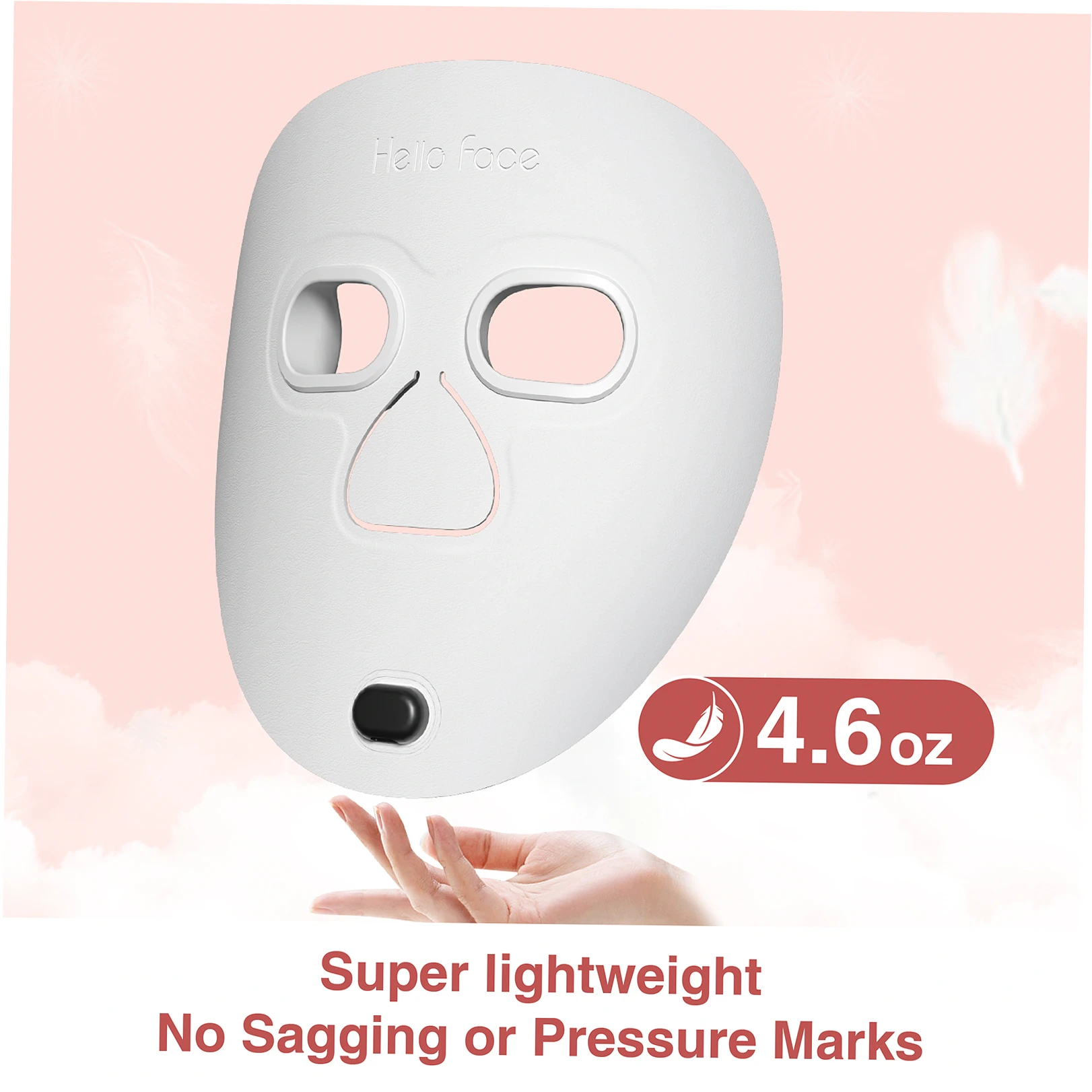
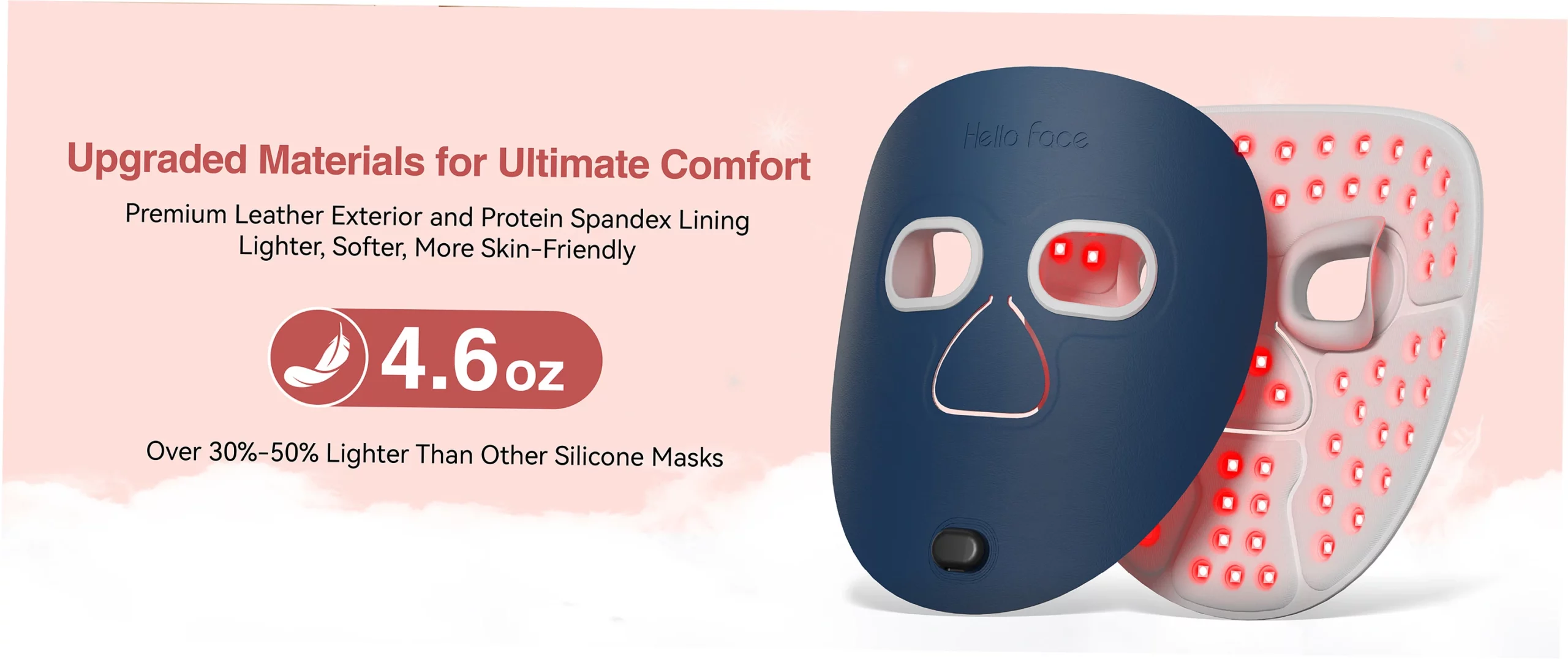
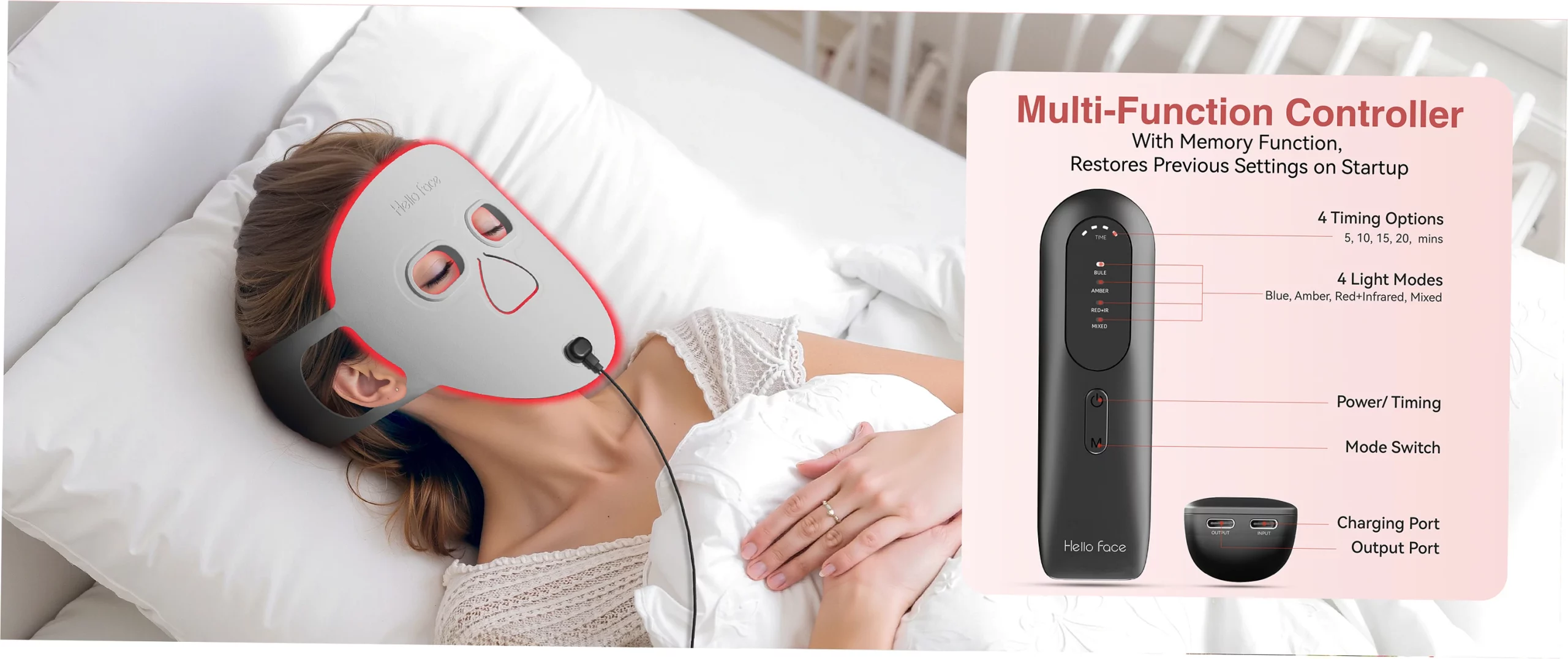
| Mask devices | Around 633nm | Covers your whole face | 10-20 minutes | Perfect for home use |
Combination Approaches and Skincare Integration
Red light therapy works really well with other anti-aging treatments, as long as you time them right. If you put on serums with vitamin C, hyaluronic acid, or peptides before your red light session.
they give your skin the raw materials it needs to make more collagen. Just steer clear of any ingredients that make your skin more sensitive to light right before you use your device.
Most skin doctors suggest starting with red light therapy first to get your skin in better shape. Then when you try stronger treatments like microneedling or laser, you’ll get even better results for your facial aging concerns.
If you want those long-term anti-aging benefits, you’ve got to make red light therapy part of your complete skincare routine. That means always using sunscreen, keeping your skin hydrated, and cleaning it properly.
Think of red light therapy as boosting your regular skincare – it works together with your antioxidant serums and moisturizers instead of replacing them.
Keep your expectations realistic though – red light therapy does amazing things for facial aging, but it’s just one piece of your anti-aging puzzle, not the whole solution.
Safety Profile and Contraindications
Potential Side Effects and Risk Management
Red light therapy is really safe when you use it right, with hardly any side effects reported. When you first start using it, your skin might get a bit red or dry for a while as it gets used to the increased cell activity.
But these effects usually go away in just a few hours and get better the more you use it. The great thing is, unlike UV treatments, red light therapy won’t damage your DNA or speed up skin aging.
so you can safely use it long-term for facial aging concerns. Since it’s completely non-invasive, you don’t have to worry about the risks that come with surgeries or injections.
Contraindications: Even though it’s generally safe, there are some situations where you should check with your doctor first. If you have skin that’s extra sensitive to light, active skin cancer.
or you’re taking medications that make you more light-sensitive, definitely talk to a dermatologist before trying red light therapy for your face. Red light therapy works for all skin types and tones, but if you have melasma.
just keep an eye on any changes in your skin pigmentation. There’s no evidence that it’s harmful during pregnancy, but most doctors suggest waiting until after you’ve had your baby to start red light therapy for facial aging, just to be extra safe.
Realistic Expectations and Limitations
Outcome expectations: It’s important to know that with red light therapy, you’ll see gradual, natural improvements in your facial aging rather than sudden dramatic changes.
What you can typically expect over 8 to 12 weeks is some subtle firming, better skin texture, and fewer fine lines on your face. Red light therapy really shines when it comes to preventing facial aging and catching it early.
rather than fixing serious sagging or deep wrinkles. How well it works for you depends on your age, skin condition, and how consistent you are with treatments – most people get the best anti-aging results by sticking with it long-term rather than doing intensive short bursts.
Therapeutic boundaries: Knowing what red light therapy can’t do helps you use it the right way for facial aging. If you have really loose skin or deep wrinkles that don’t move, red light therapy won’t replace surgery for those facial aging issues.
For the best anti-aging results, use red light therapy along with sun protection, good nutrition, and other proven treatments. If you’re dealing with noticeable jowls or heavy eyelids.
you might need to combine red light therapy with other treatments to get the best improvement in your facial aging concerns. When you understand these limits, you can set realistic expectations for your facial red light therapy and avoid being disappointed.
User Experiences and Clinical Observations
Documented Results and Case Studies
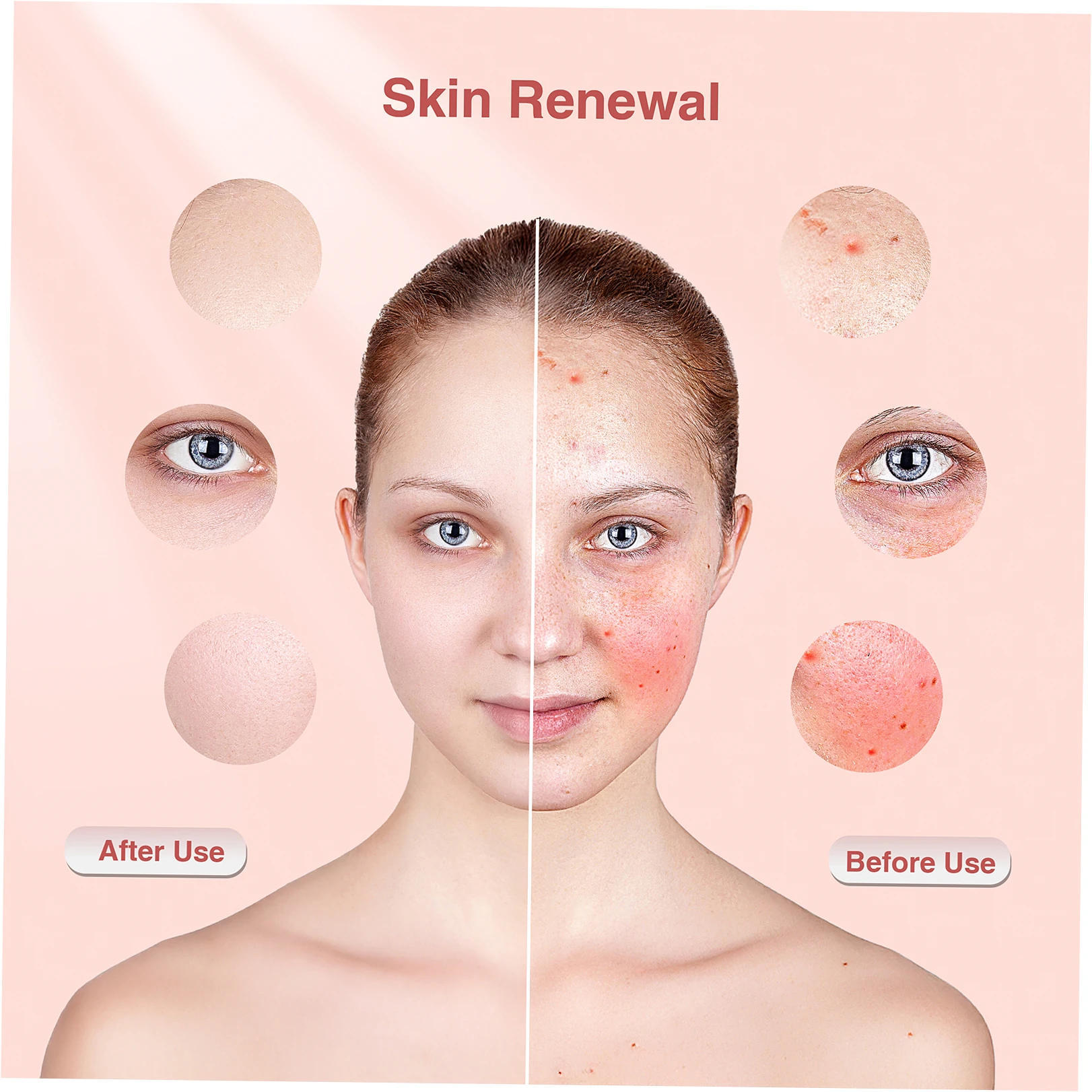
Lots of case studies show red light therapy really helps with facial aging. People see clear improvements in their skin after following the treatment plans. Before-and-after photos prove it works for all ages and skin types.
You can actually see wrinkles getting shallower and skin tone becoming more even. In one big study with 136 people trying red light therapy for six months, nearly 90% loved how their skin texture improved.
About three-quarters also noticed their skin felt firmer. These results give newcomers a good idea of what to expect from red light therapy for their face.
People who get the best results make red light therapy part of their regular routine. They don’t just use it for a short time and stop. Home devices make it easy to stick with. Most dedicated users keep going with sessions 2-3 times a week long-term.
Sticking with it over time gives you better results than using it intensely for just a little while. Since red light therapy is non-invasive and has no downtime, people stick with it much longer than with other anti-aging treatments that are more demanding.
Practical Considerations for Home Users
When picking a home device for red light therapy, make sure it uses the right wavelengths between 630-670nm and has proper intensity levels. Look for FDA-cleared devices from trusted brands that show exactly what kind of light they produce.
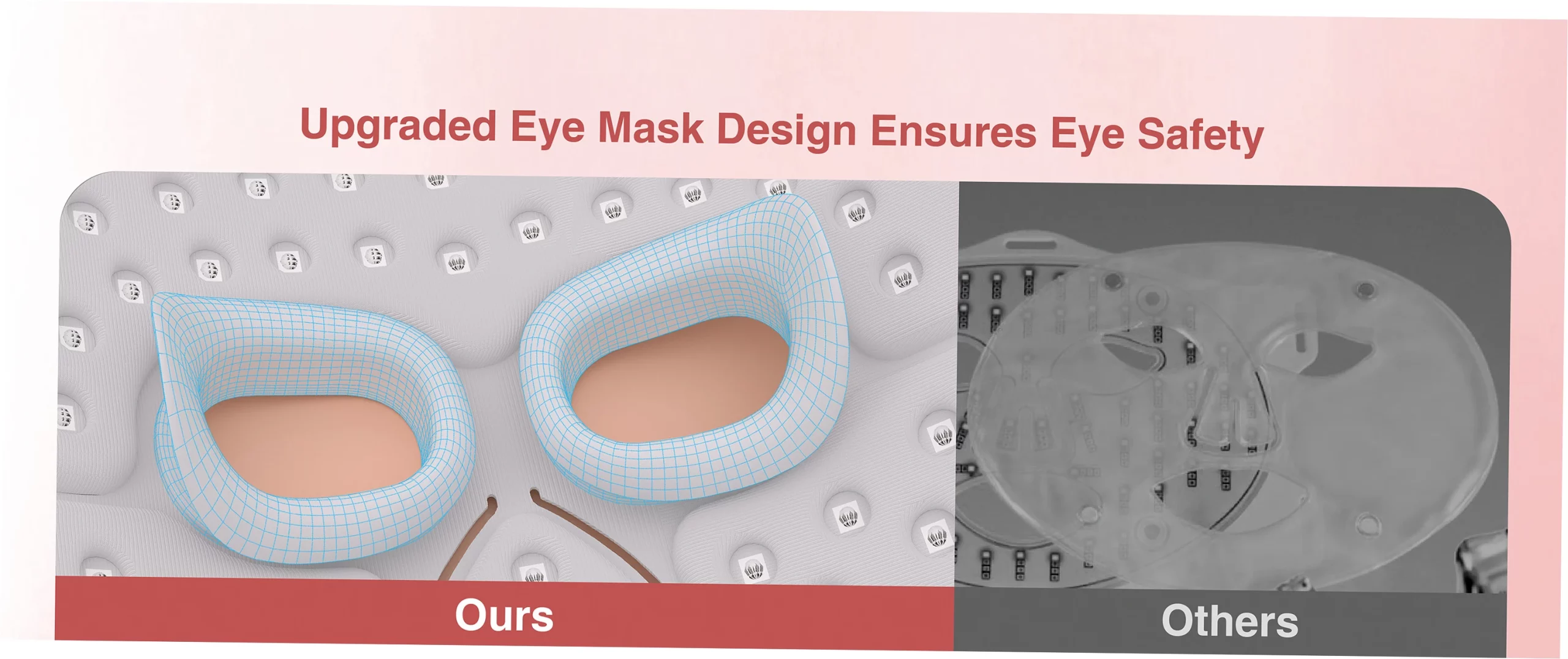
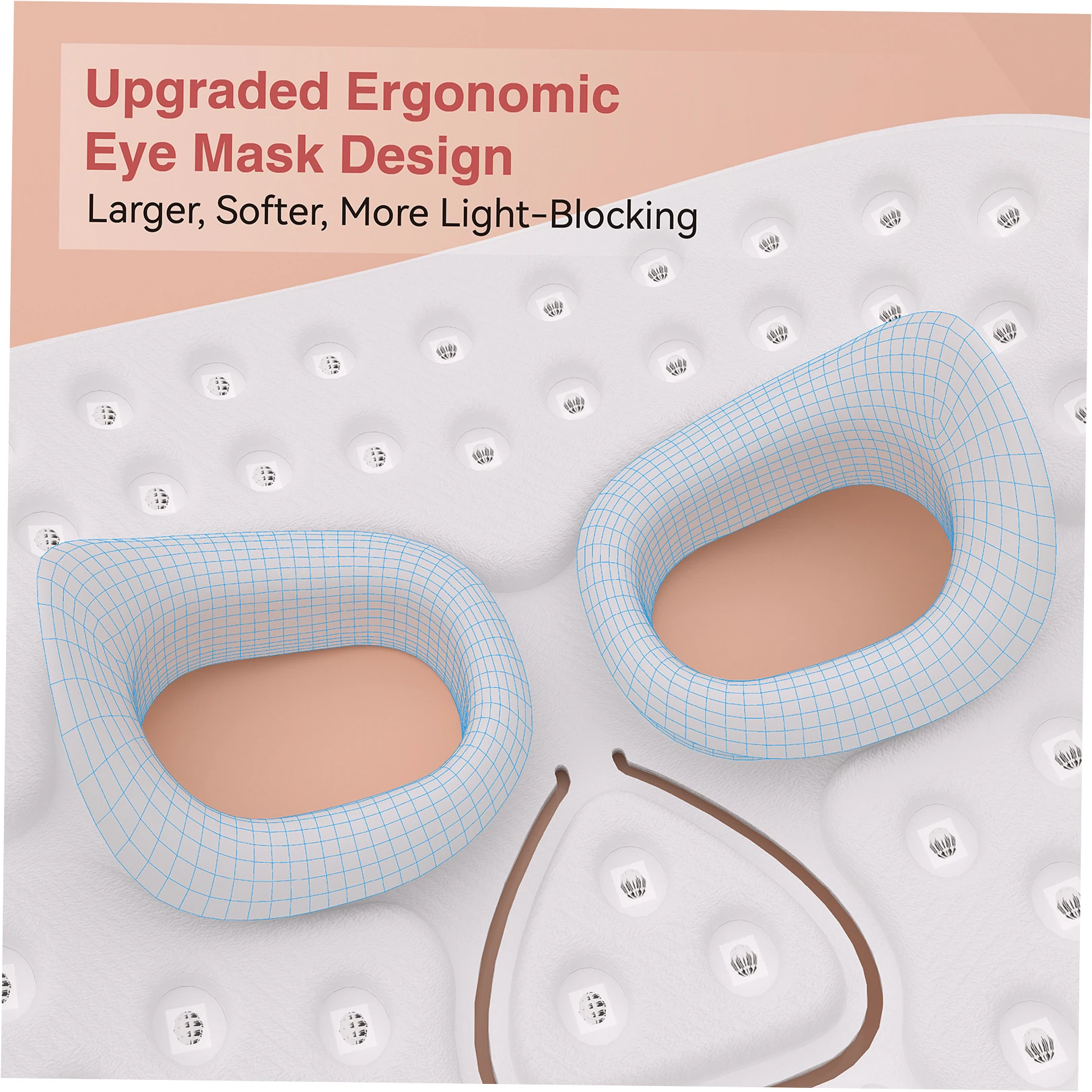
Using your device regularly matters more than how much you spend. Luckily, there are now good quality options that won’t break the bank. For best results, start with clean skin, protect your eyes, and follow the recommended distance and time guidelines so the light penetrates properly.
Smart users fit their red light therapy into daily activities like watching TV or during their morning routine. Making it a regular habit means you won’t skip sessions and you’ll keep building on your results.
Lots of people get even better results by adding facial massage or gua sha to their red light routine. This boosts circulation and helps your skincare products sink in deeper.
The real secret is finding a routine you can maintain, not being perfect. Regular moderate use beats occasional perfect sessions every time.
Conclusion
Red light therapy is a scientifically proven way to tackle facial aging, and it works through your body’s natural processes.
It boosts collagen production and helps repair your cells, giving you real results like smoother skin, better firmness, and fewer wrinkles – all without any invasive procedures.
Now, it’s not some magic fix, but if you stick with it as part of your regular skincare routine, you’ll see real anti-aging benefits that last. The best part is it’s super safe, and since you can get devices for home use.
pretty much anyone can try it out. Researchers are still figuring out the best ways to use it, but red light therapy has definitely earned its spot as a go-to option for fighting aging.
Want to give your skin a natural boost? Tell us how red light therapy worked for your face aging concerns in the comments! Or check out our guide to pick the perfect anti-aging device for you.
FAQ About red light therapy for face aging
How soon can I expect results from red light therapy for aging skin?
If you stick with it consistently, most people start seeing better skin texture and more hydration after about 3 to 4 weeks. You’ll really notice wrinkles fading and skin getting firmer after 8 to 12 weeks of regular use.
That’s because your skin needs time to build up new collagen before you see visible changes. Keep up your routine, and you’ll get the best results after 4 to 6 months.
Can red light therapy replace professional anti-aging treatments?
Red light therapy definitely helps, but it works better alongside professional treatments rather than replacing them, especially for more serious aging issues.
It’s great for preventing aging signs, catching problems early, and keeping your skin looking good between professional treatments. If you’ve got really loose skin or deep wrinkles, combining red light therapy with professional treatments usually works best.
Are there any skin types that shouldn’t use red light therapy?
The good news is red light therapy is safe for pretty much every skin type and color. But if your skin is extra sensitive to light, you have active skin cancer, or you’re on medications that make you light-sensitive, check with your doctor first.
It’s especially promising if you have sensitive skin that can’t handle harsher anti-aging treatments.
What’s the ideal session frequency for anti-aging benefits?
Research shows you should do 3 to 5 sessions each week for the first 12 weeks, then drop down to 2 or 3 weekly sessions to maintain your results. Being consistent matters more than how long each session lasts.
Usually, 10 to 15 minutes is enough to cover your whole face. Regular, moderate use works much better than occasional intense treatments when it comes to long-term anti-aging benefits.